Breast cancer is one of the most common malignant tumors in women, which occurs due to the abnormal proliferation of breast epithelial cells. It can occur in women of all ages, especially those aged 40 to 60, and its incidence rate has been on the rise in recent years. For patients with breast cancer, whether during treatment or rehabilitation, scientific dietary regulation is crucial. Improper diet may affect the therapeutic effect, promote tumor recurrence and metastasis, and even worsen the physical condition. Therefore, mastering the dietary taboos of breast cancer is an important part of disease management.
Dr. Clara Bennett, an oncologist specializing in breast cancer treatment with 20 years of clinical experience, points out that breast cancer is closely related to the level of estrogen in the body, as well as factors such as inflammation and oxidative stress. Therefore, patients should avoid foods that may increase estrogen levels, induce inflammation, or affect the body’s immune function. Clinically, breast cancer patients often have symptoms such as breast lumps, nipple discharge, skin changes, and axillary lymphadenopathy. While receiving standardized treatment, reasonable dietary adjustment can help improve physical resistance and reduce the risk of complications.
Breast cancer patients need to focus on “low-fat, high-fiber, high-nutrition” dietary principles, and strictly avoid foods that are harmful to the condition. The specific dietary taboos and recommended foods are as follows:
-
Avoid hormone-containing foods and health products. Estrogen is one of the key factors promoting the growth and metastasis of breast cancer cells. Patients should fast from foods and health products rich in estrogen, such as royal jelly, donkey-hide gelatin, bird’s nest, and some health supplements with added estrogen. In addition, avoid eating poultry, livestock, and aquatic products fed with hormone-containing feed, such as fast-growing chicken, pork, and some farmed fish, to prevent excessive estrogen from entering the body and stimulating tumor growth.
-
Avoid high-fat and fried foods. High-fat diets will increase the synthesis of estrogen in the body, and the saturated fat and trans fat contained in them will also induce chronic inflammation, which is not conducive to the control of breast cancer. Patients should avoid fried foods, fatty meat, animal offal, butter, cream, and other high-fat foods, and choose low-fat cooking methods such as steaming, boiling, stewing, and roasting.
-
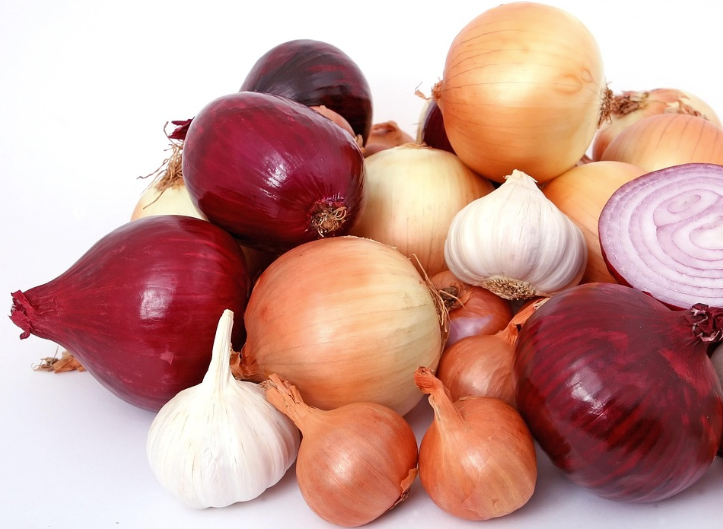
Avoid spicy and irritating foods. Spicy and irritating foods such as chili, prickly ash, raw green onions, raw garlic, mustard, and liquor will stimulate the digestive tract, affect the absorption of nutrients, and may also induce body inflammation, which is not conducive to the recovery of the body. In addition, irritating beverages such as strong tea and coffee should also be avoided, as they may affect sleep quality and disrupt the body’s metabolic balance.
-
Avoid pickled, smoked, and moldy foods. Pickled foods (such as salted fish, pickles, and preserved meat), smoked foods (such as bacon, ham, and smoked fish), and moldy foods (such as moldy peanuts, corn, and soybeans) contain harmful substances such as nitrosamines and aflatoxins, which are carcinogenic and may increase the risk of tumor recurrence and metastasis. Patients must strictly avoid such foods.
-
Avoid excessive sugar and high-glycemic foods. Excessive sugar intake will increase the body’s blood sugar level, promote the growth of tumor cells, and reduce the body’s immune function. Patients should avoid candies, chocolates, pastries, carbonated drinks, and other high-sugar foods, as well as high-glycemic foods such as white rice, white flour, and potatoes (eaten in moderation), and choose whole grains such as oats, brown rice, and quinoa instead.
-
Recommended foods. Patients should eat more fresh vegetables and fruits, such as broccoli, spinach, carrots, tomatoes, cucumbers, apples, pears, strawberries, and blueberries, which are rich in vitamins, minerals, and antioxidants, helping to enhance the body’s immunity and resist tumor cells. In addition, you can properly eat high-protein and low-fat foods such as lean meat, chicken, fish, eggs, milk, and tofu to supplement the nutrients needed for the body’s recovery. Proper intake of whole grains and beans can also provide dietary fiber and maintain the balance of intestinal flora.
Dr. Clara Bennett further reminds that dietary adjustment for breast cancer patients is not a one-size-fits-all approach. It should be adjusted according to individual physical conditions, treatment stages, and nutritional status. During chemotherapy and radiotherapy, patients may have symptoms such as loss of appetite and nausea, and the diet can be appropriately light and easy to digest. After treatment, they should adhere to a healthy diet and avoid overnutrition or malnutrition. At the same time, regular re-examinations and maintaining a good attitude are also crucial for preventing tumor recurrence and promoting physical recovery.