SEARCH
×

Adenomyosis

Foods to Avoid for Patients with Adenomyosis

This article introduces adenomyosis, a common benign gynecological disease, including its definition, incidence, and typical clinical symptoms. It focuses on the dietary taboos for patients with adenomyosis, clearly pointing out the types of foods that should be avoided, such as hormone-containing foods, spicy and irritating foods, hair-trigger foods, and high-fat foods, and also provides appropriate dietary recommendations. It aims to help patients with adenomyosis manage their diet scientifically, assist in controlling the disease and alleviating symptoms, and remind patients of the importance of regular re-examinations and standardized treatment.


Foods to Avoid for Patients with Adenomyosis

The Youngest Patient with Adenomyosis

This article introduces the younger trend of adenomyosis, pointing out that the youngest patient with adenomyosis is only 10 years old. It analyzes the main causes of adenomyosis and the factors leading to the younger age of patients, including genetic factors, hormone pollution, earlier female development, and bad living habits. The article also reminds that adenomyosis in young women is easy to be ignored, emphasizes the importance of early detection and intervention, and puts forward corresponding preventive suggestions for young girls and adolescents.

The Youngest Patient with Adenomyosis

What Examinations Should Be Done for Adenomyosis

Adenomyosis is a common benign gynecological disease with an increasing incidence and younger trend, which is related to uterine injury, abnormal sex hormone levels and other factors. Most patients have obvious symptoms such as progressive dysmenorrhea and menorrhagia, while a few are accidentally found during physical examinations. Early detection and accurate diagnosis are crucial for treatment. This article details the prevention methods, common examinations and typical symptoms of adenomyosis.

What Examinations Should Be Done for Adenomyosis

Dietary Taboos for Adenomyosis

Adenomyosis is a benign gynecological disease related to abnormal sex hormone levels, and unreasonable diet can aggravate its symptoms. This article details the dietary taboos and healthy eating habits for adenomyosis patients: avoid foods high in estrogen, high-fat, irritating, and hair-trigger foods, and avoid overeating; adhere to a light, low-fat, high-fiber diet, eat regularly and quantitatively, and increase the intake of vegetables, f

Dietary Taboos for Adenomyosis

Revealed! Complete Guide to Adenomyosis Treatment

Adenomyosis is a common benign gynecological disease caused by the ectopic growth of endometrial tissue into the myometrium, which mainly affects women of childbearing age and causes symptoms such as progressive dysmenorrhea, menorrhagia, and infertility.

Revealed! Complete Guide to Adenomyosis Treatment

How to Treat Adenomyosis During Menopause

This article introduces the treatment methods of adenomyosis for menopausal and perimenopausal women. Since adenomyosis is an estrogen-dependent disease, the decline of estrogen levels during menopause can alleviate symptoms. The article details four main treatment methods: observation and follow-up, medication therapy, focused ultrasound ablation (emphasized as a key non-invasive treatment), and surgical treatment. It explains the indications, advantages and precautions of each method, especially focusing on the principle, characteristics and applicable population of focused ultrasound ablation, to help menopausal women with adenomyosis choose a personalized treatment plan.

How to Treat Adenomyosis During Menopause

Which Foods Can Inhibit the Growth of Adenomyosis?

Adenomyosis is an estrogen-dependent gynecological disorder associated with endocrine disorders and chronic inflammation. This article explains the connection between diet and adenomyosis progression and provides practical dietary advice. It recommends a low-fat, high-fiber diet, whole grains, and anti-inflammatory foods, while suggesting avoiding high-fat, spicy, hormone-rich foods and irritating drinks. Proper dietary habits help stabilize estrogen levels, reduce inflammation, and inhibit the growth of adenomyosis lesions as an adjunct to clinical care.

Which Foods Can Inhibit the Growth of Adenomyosis?

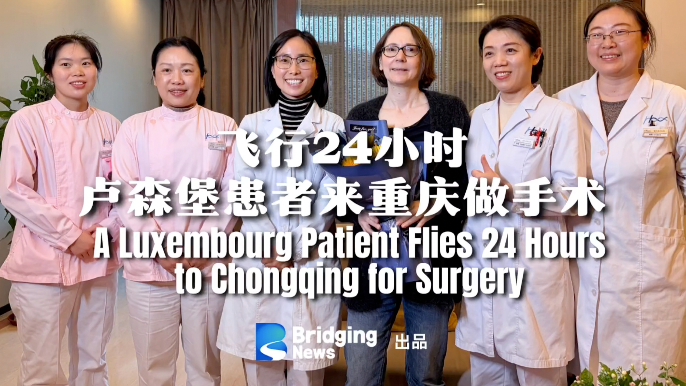
A patient from Luxembourg endured a 24-hour flight to come to Chongqing for a focused ultrasound operation.

With the expansion of China's visa-free policies, medical care has become a new reason for foreigners to visit China beyond tourism and shopping. This article takes Haifu Hospital in Chongqing as an example,

A patient from Luxembourg endured a 24-hour flight to come to Chongqing for a focused ultrasound operation.

Patient Interview: Adenomyosis

This interview shares a patient’s experience living with severe adenomyosis-related dysmenorrhea. Initially advised to undergo a hysterectomy, she chose ultrasound ablation instead. The minimally invasive procedure relieved her severe period pain, regulated her menstruation, and allowed her to keep her uterus, greatly improving her quality of life.

Patient Interview: Adenomyosis

Clinical Symptoms of Adenomyosis

This article introduces the main clinical symptoms of adenomyosis, a common gynecologic disorder characterized by endometrial tissue invading the myometrium. The most typical manifestations are progressive severe dysmenorrhea, heavy menstrual bleeding, and diffuse uterine enlargement. Some patients also experience pelvic pain, dyspareunia, or infertility. Symptoms are hormone-dependent and often relieved after menopause.

Clinical Symptoms of Adenomyosis