Uterine fibroids are benign tumors of the uterus that are very common among women of reproductive age. Depending on their location, fibroids can block the fallopian tubes and interfere with the movement of sperm and eggs, leading to infertility.
Most patients have no obvious symptoms and are only diagnosed incidentally during pelvic exams. When symptoms do occur, they are closely related to the location, growth rate, and degeneration of the fibroids.
- Menstrual changes: The most common symptom, including shorter cycles, heavier bleeding, prolonged periods, and irregular vaginal bleeding.
- Abdominal mass: Abdominal enlargement with a palpable pelvic mass, often accompanied by a dragging sensation.
- Increased vaginal discharge: Excessive leukorrhea, sometimes with foul-smelling bloody or necrotic tissue discharge.
- Pain: Many women experience lower abdominal distension or backache. Acute pain may occur with torsion of a pedunculated fibroid, and severe pain with fever may indicate red degeneration.
- Pressure symptoms: Fibroids may press on the bladder, urethra, or rectum, causing frequent urination, difficulty urinating, urinary retention, or constipation. Large lateral fibroids can cause hydroureter, hydronephrosis, or lower-extremity edema.
- Infertility: Fibroids may distort the fallopian tubes or uterine cavity, preventing implantation of the fertilized egg.
- Secondary anemia: Chronic heavy menstrual bleeding can lead to anemia, with fatigue, paleness, shortness of breath, and palpitations.
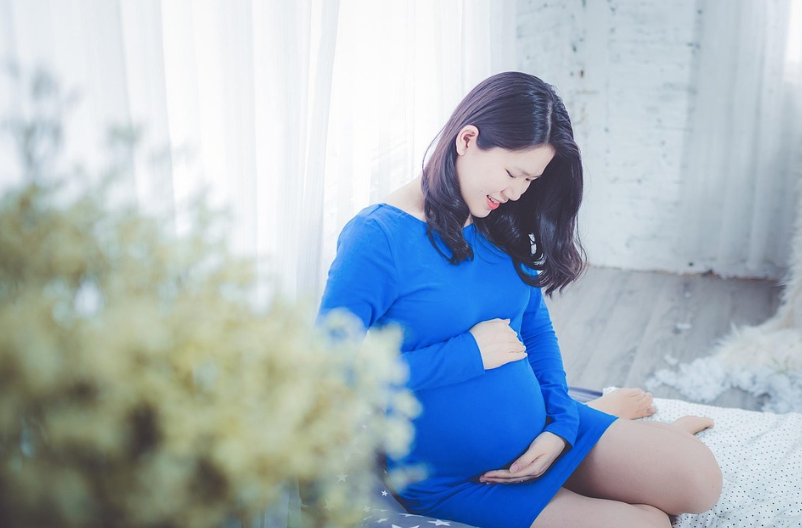
During pregnancy, fibroids often grow rapidly, especially after the second trimester, and may undergo degeneration, causing abdominal pain and fever. Fibroids also increase the risk of miscarriage and preterm birth.
In general, women with fibroids smaller than 4 cm in diameter may attempt pregnancy. However, if fibroids exceed 4 cm before pregnancy, or if they are located unfavorably — such as inside the uterine cavity, at the cervix, or blocking the fallopian tubes — surgical removal before conception is recommended. All women of childbearing age with fibroids should consult a gynecologist before deciding to become pregnant.