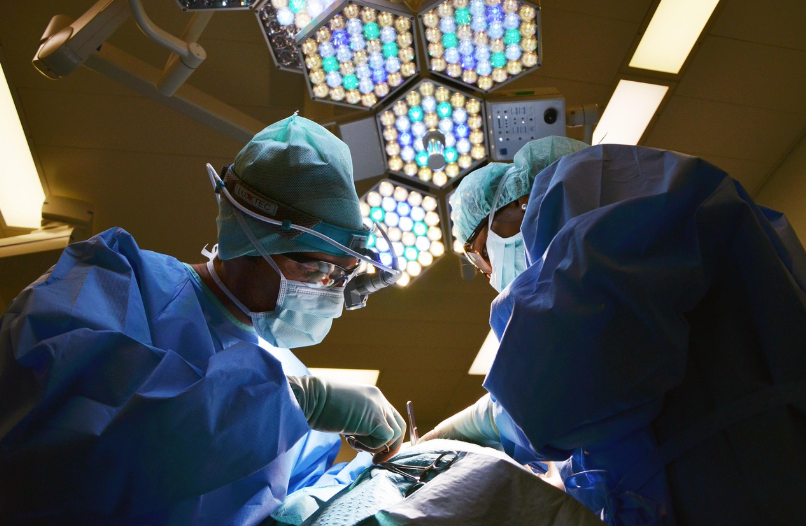
 A hysterectomy is a surgical procedure that removes the uterus. It has long been one of the most common and definitive treatments for uterine fibroids, as removing the uterus eliminates the possibility of fibroid recurrence entirely. Historically, uterine fibroids have been the leading medical reason for performing this surgery.
Hysterectomy is often recommended for women with large fibroids, heavy menstrual bleeding, those who are approaching or have reached menopause, or those who no longer wish to have children. The surgical approach depends on fibroid size and a patient’s individual condition:
- Abdominal hysterectomy: An open procedure through an abdominal incision, typically used for larger fibroids.
- Vaginal hysterectomy: Performed through the vagina, leaving no external abdominal scar, often suitable for smaller fibroids.
- Laparoscopic hysterectomy: A minimally invasive approach using small incisions and a camera-guided instrument.
During surgery, a woman may also choose to have her ovaries and cervix removed at the same time. Importantly, women who keep their ovaries during a total hysterectomy generally do not experience premature menopause, as ovarian hormone function remains largely preserved.
While hysterectomy is generally considered safe, it remains a major surgical procedure with potential risks of significant complications, such as infection, bleeding, or injury to surrounding pelvic organs. Postoperative recovery usually takes several weeks, during which physical activity must be gradually resumed.