The development of uterine fibroids is linked to prolonged, high-level estrogen stimulation. Animal studies show that high-fat foods promote the production and release of certain hormones, leading to a significantly higher rate of fibroids among obese women. Therefore, healthy eating habits can help inhibit fibroid growth.
- Eat at regular times and avoid overeating.
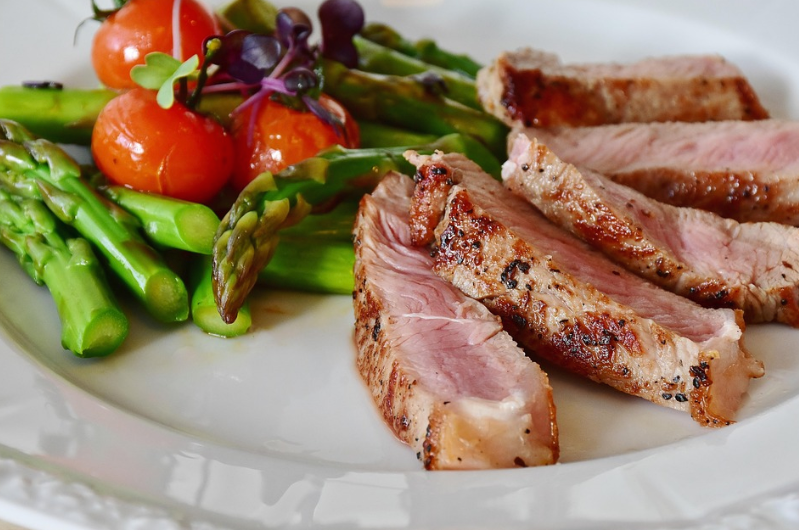
- Maintain a low-fat diet: consume more lean meat, eggs, green vegetables, and fruits.
- Eat plenty of whole grains such as corn and beans (excluding soybeans and black beans).
- Include nutritious nuts regularly, such as peanuts, sesame seeds, and pumpkin seeds.
- Reduce spicy foods, alcohol, and icy or cold foods.
Dietary Advice for Patients with Uterine Fibroids
- Keep meals light. Avoid “trigger foods” including mutton, shrimp, crab, eel, salted fish, and black fish.
- Limit irritants such as chili, Sichuan pepper, raw onion, raw garlic, and alcohol.
- Reduce intake of heaty, blood-coagulating, or hormone-containing items: longan, red dates, donkey-hide gelatin, and royal jelly.
- Prefer lean meat, chicken, eggs, quail eggs, crucian carp, soft-shell turtle, white fish, cabbage, asparagus, celery, spinach, cucumber, winter melon, shiitake mushrooms, kelp, seaweed, and fresh fruits.